Physical Modeling
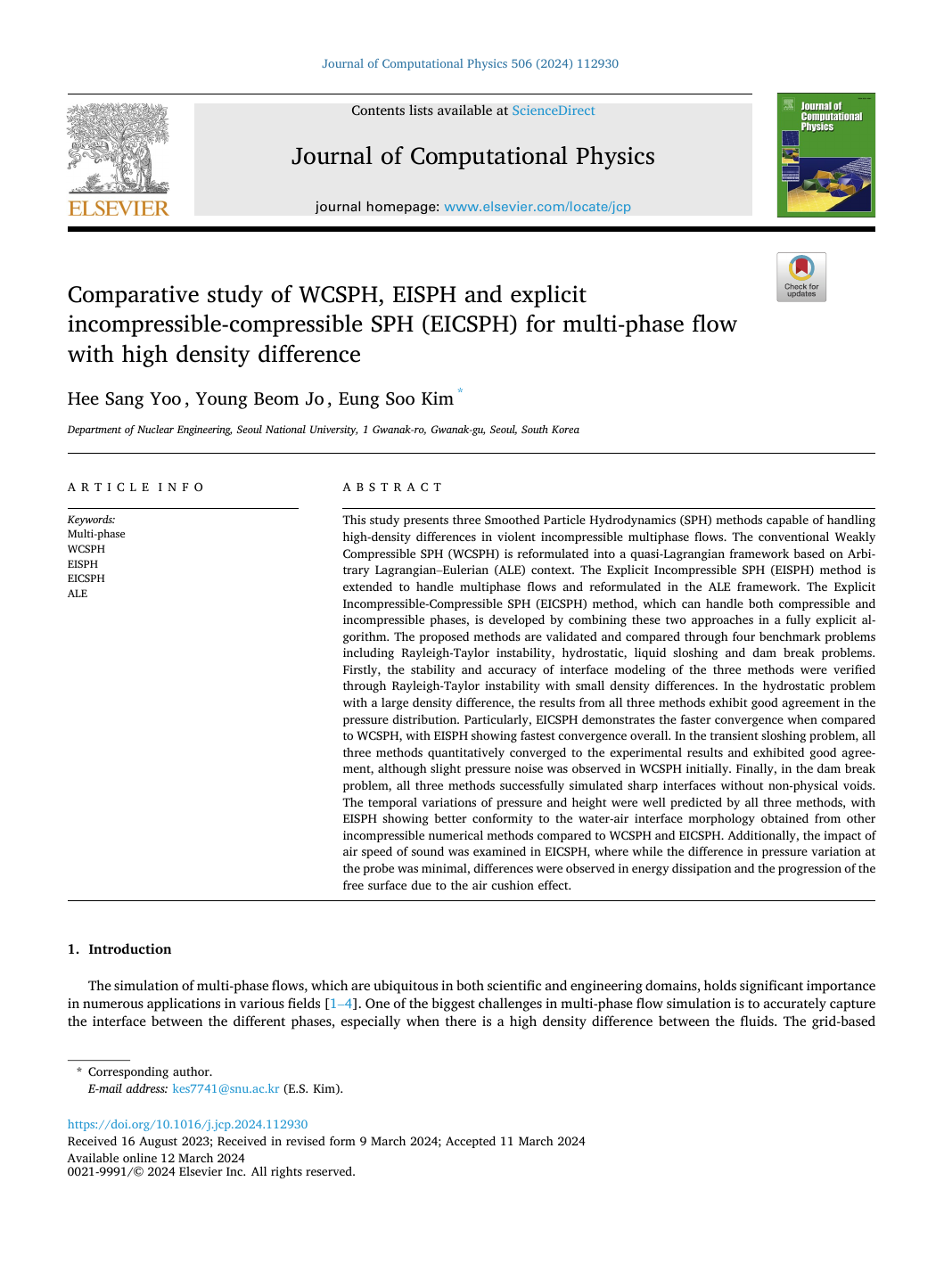
Represent the governing physics of reactor systems and their components.
Welcome to MONAMI LAB
Jeonbuk National UniversitySince 2026
Multiphysics fOr Nuclear Analysis, Modeling and Innovation
Jeonbuk National UniversitySince 2026
“mon ami” means “my friend” in French.
A lab where we explore, question, and grow together—like friends.
Multiphysics fOr Nuclear Analysis, Modeling and Innovation
From fundamental physical modeling to high-fidelity analysis, we explore nuclear systems across a broad spectrum of scales and disciplines.
A live particle field, drawn the way our SPH solvers see fluid. Move your cursor through it.
Our mission
MONAMI Lab studies computational science and simulation technologies for the analysis of advanced nuclear systems. With a focus on nuclear thermal hydraulics, we connect system-level modeling with detailed high-fidelity numerical analysis and develop particle-based methods and GPU-parallel computing technologies for complex flow and multiphysics phenomena.
These capabilities support the prediction and safety assessment of advanced reactors under normal operation, transients, and severe accidents. In the long term, we aim to extend our work toward multiphysics and multiscale analysis involving reactor physics and structural mechanics, establishing a computational foundation for nuclear digital twins that combine physics-based simulation with data.
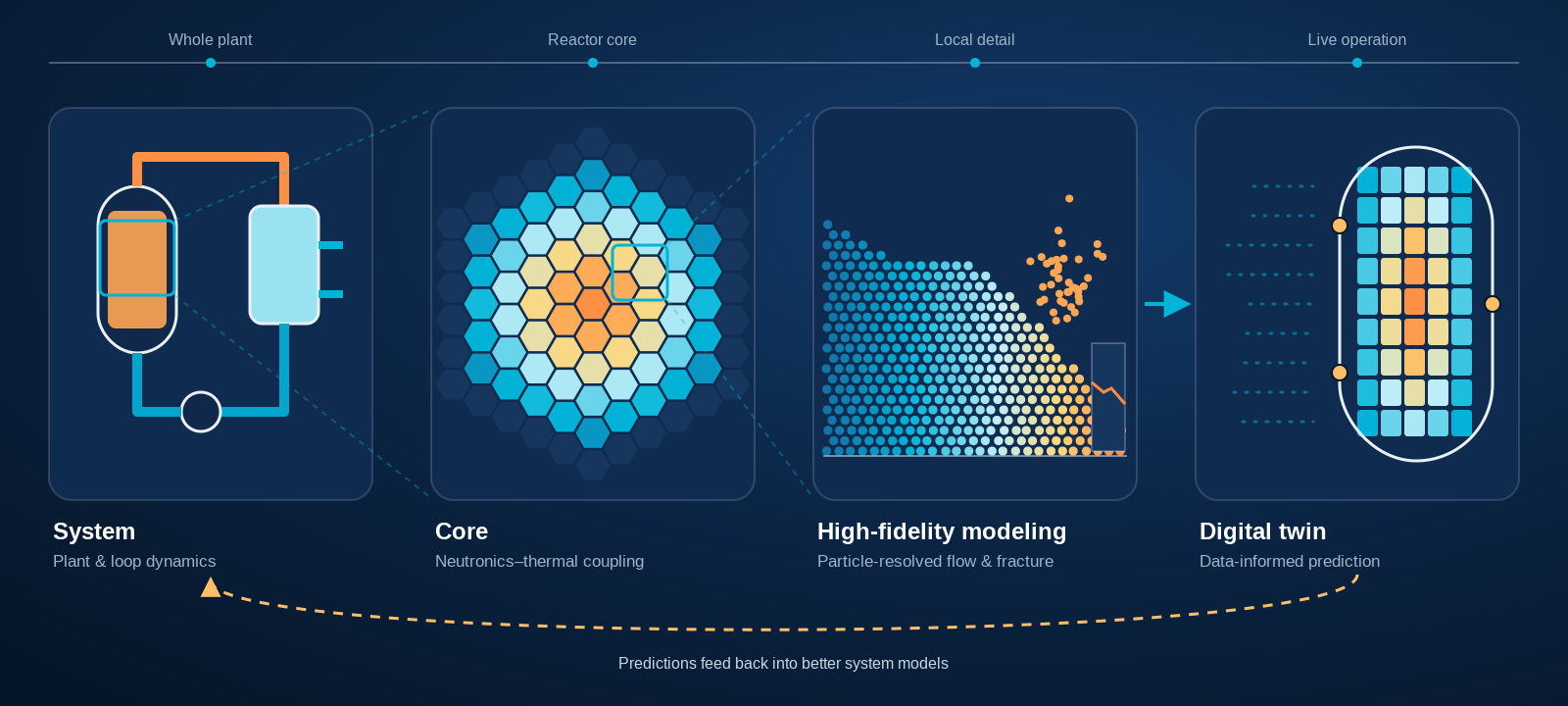
Research vision
We build reliable computational pathways from physical models to high-fidelity simulation, integrated analysis, and nuclear digital twins.
Represent the governing physics of reactor systems and their components.
Resolve complex local phenomena using particle methods and GPU parallelization.
Connect solvers, physical scales, and feedback across reactor behavior.
Combine physics-based simulation and data for fast, predictive analysis.
Each level informs the next—and improved predictions feed back into better physical models.
Latest updates
As of November 2026, Minsik Kim, Jeongwoo Lee, and Minju Choi have joined MONAMI Lab. Welcome!
MONAMI Lab begins its research in high-fidelity multiphysics simulation, reactor digital twins, and HPC-based particle methods.
Research directions
Through research that spans multiphysics, high-fidelity computation, advanced reactors, and data-informed modeling, we pursue deeper insight into nuclear systems.
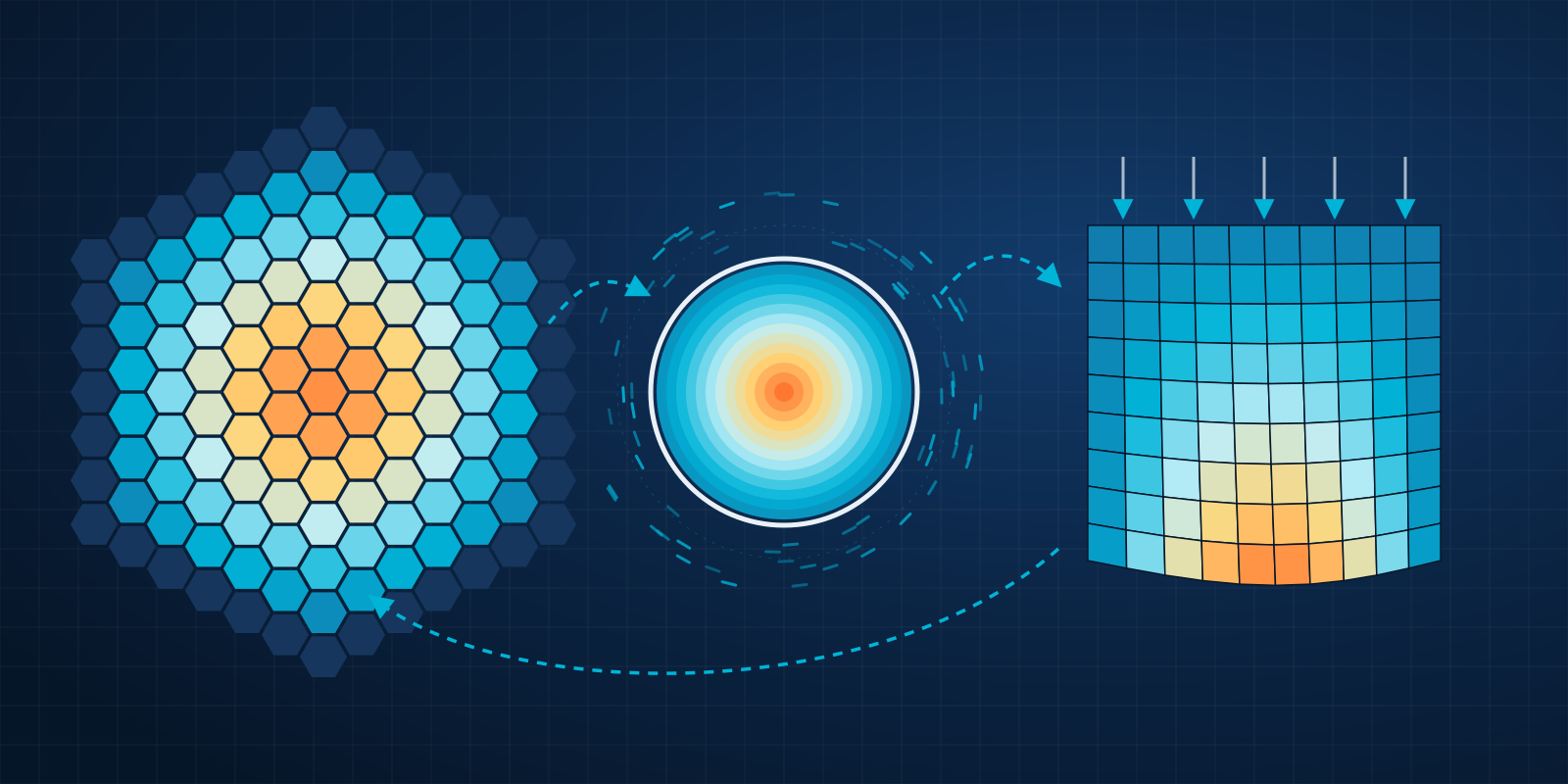
Integrating reactor physics, thermal hydraulics, and structural mechanics through coupled models and simulation codes for steady-state and transient reactor analysis.
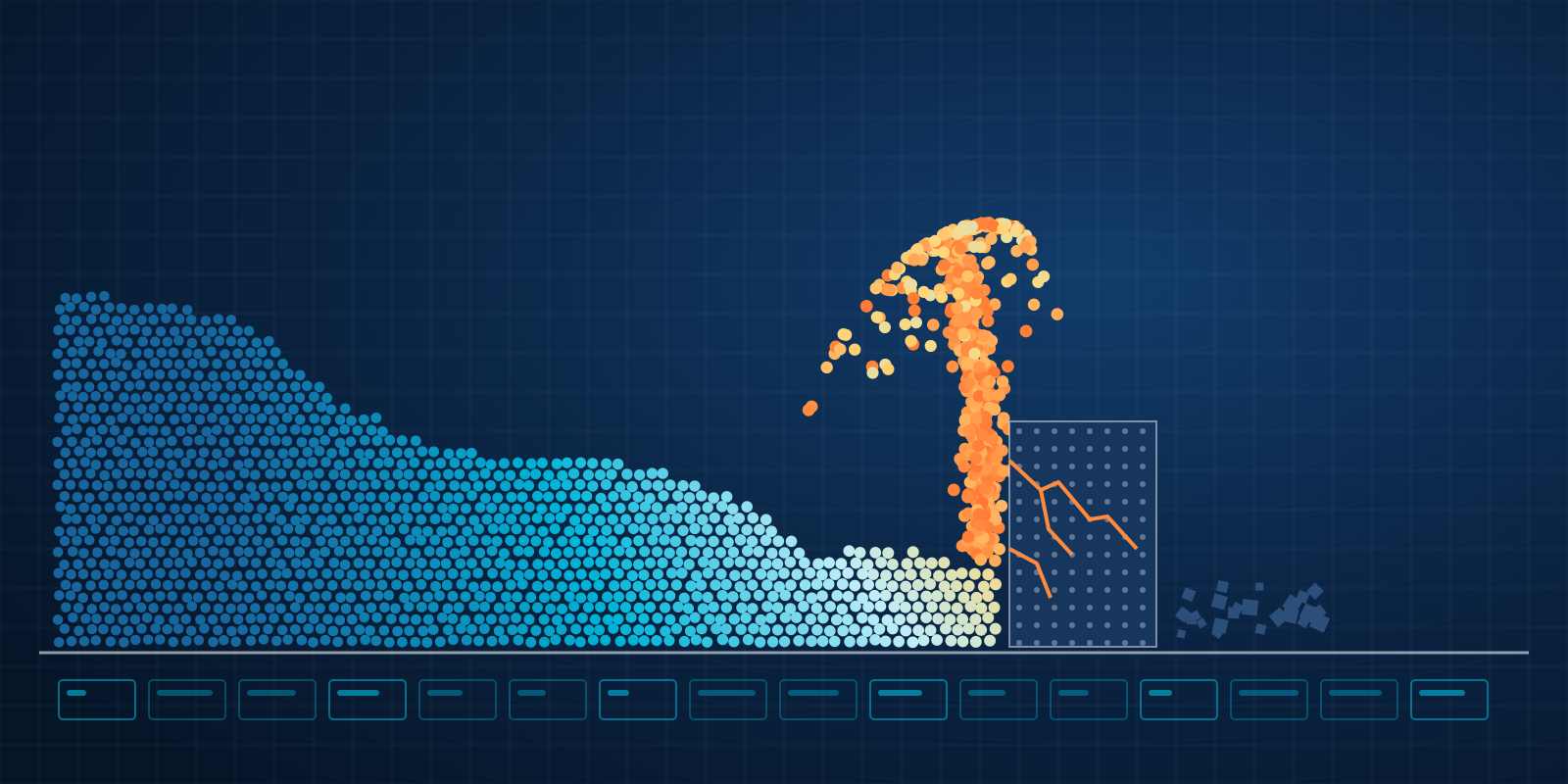
Resolving complex local phenomena—including multiphase flow, free surfaces, melting and solidification, and severe accidents—using particle methods and GPU computing.
Go to page → Active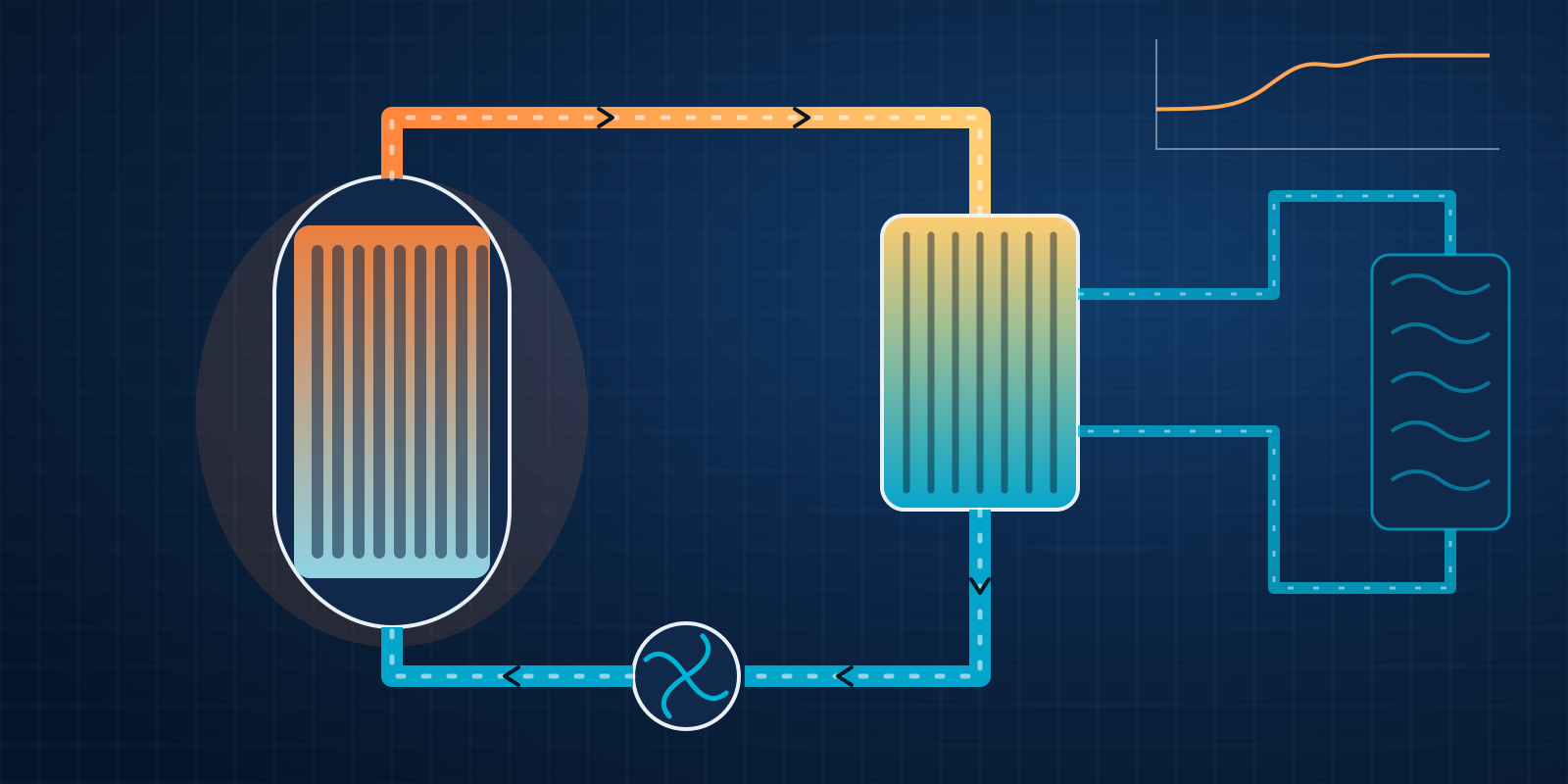
Exploring diverse Generation IV reactor concepts, with current emphasis on core and system modeling and transient analysis for molten salt reactors (MSRs).
Go to page →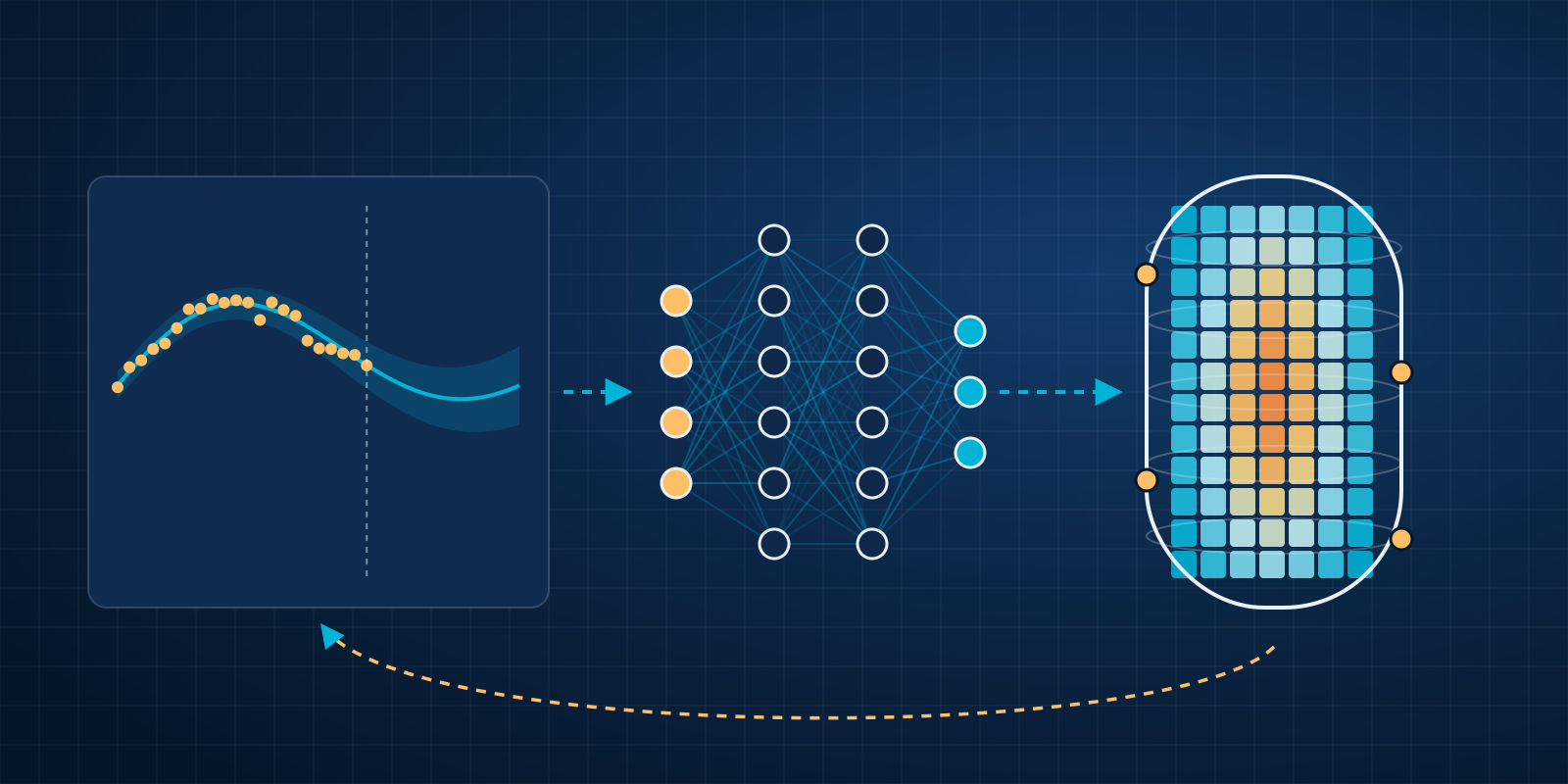
Combining physics-based simulation with experimental and operational data through reduced-order models, surrogate models, AI, and state estimation for fast reactor prediction.
MONAMI Lab

Principal Investigator
Assistant Professor, Department of Quantum Systems Engineering
Jeonbuk National University

Undergraduate researcher
~
Interests T.B.D 🐣

Undergraduate researcher
~
Interests T.B.D 🐣

Undergraduate researcher
~
Interests T.B.D 🐣
Publications
Journal articles, conference presentations, and scientific software that establish the computational foundations of MONAMI Lab.
Selected recent papers - click a first page to enlarge
1 / 4
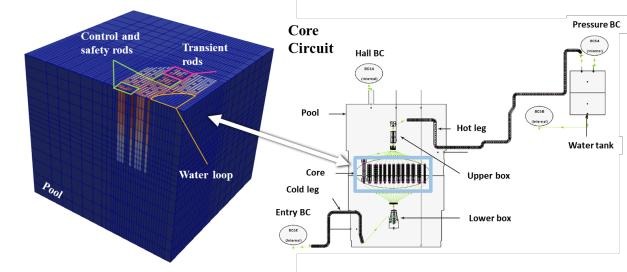
Characterization of Full-Power Steady-State Conditions and Local Multiphysics Phenomena in CABRI Transients Using APOLLO3®/CATHARE3
Nuclear Science and Engineering
A Coupled EISPH–TLSPH–DM Method for Hydroelastic Fluid–Structure Interaction with Quasi-Brittle Fracture
Applied Mathematical Modelling, 117275
2025 JCR: Top 5.1% · IF 5.5

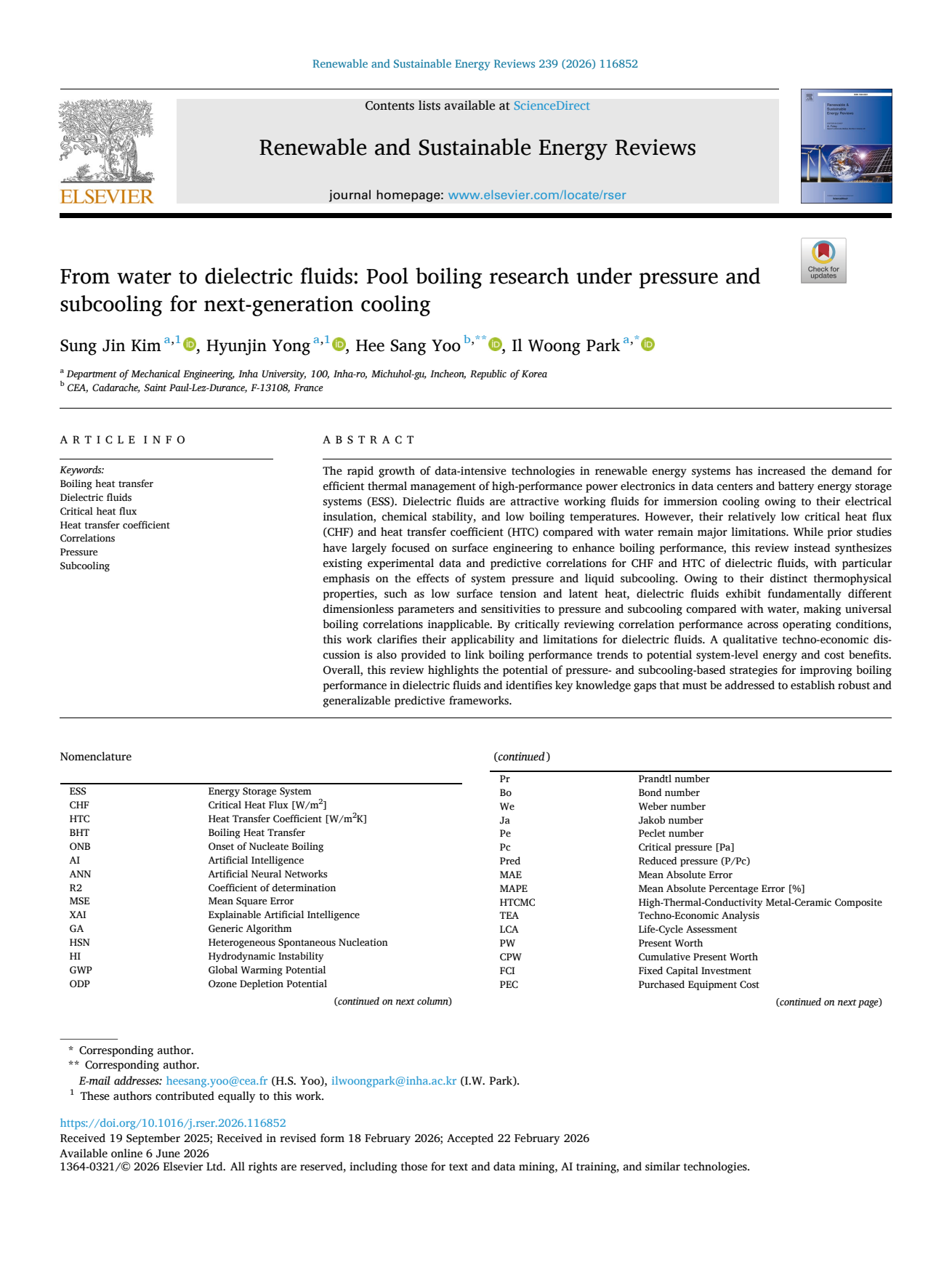
From Water to Dielectric Fluids: Pool Boiling Research under Pressure and Subcooling for Next-Generation Cooling
Renewable and Sustainable Energy Reviews, 239, 116852
2025 JCR: Top 3.1% · IF 18.0
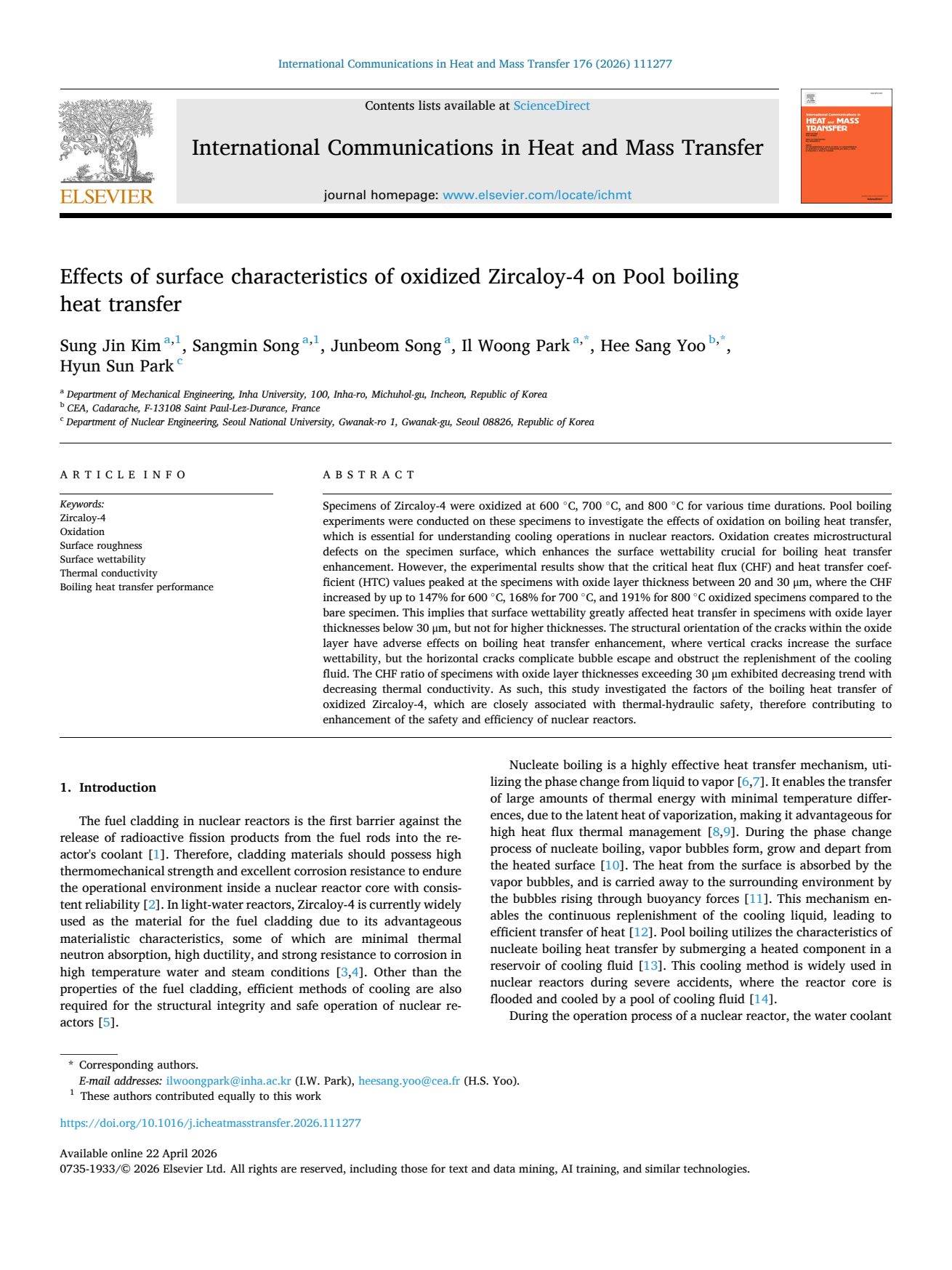
Effects of Surface Characteristics of Oxidized Zircaloy-4 on Pool Boiling Heat Transfer
International Communications in Heat and Mass Transfer, 176, 111277
2025 JCR: Top 8.1% · IF 6.2

Dynamic Load Balancing for Multi-GPU Smoothed Particle Hydrodynamics Using Two-Dimensional Staggered Domain Decomposition
Advances in Engineering Software, 216, 104123
2025 JCR: Top 9.0% · IF 6.3
A Steady-State Eulerian Smoothed Particle Hydrodynamics (SPH) Approach for Incompressible Flow and Heat Transfer Using the Semi-Implicit Method for Pressure-Linked Equations (SIMPLE) Algorithm
International Journal for Numerical Methods in Engineering, 127(1), e70255

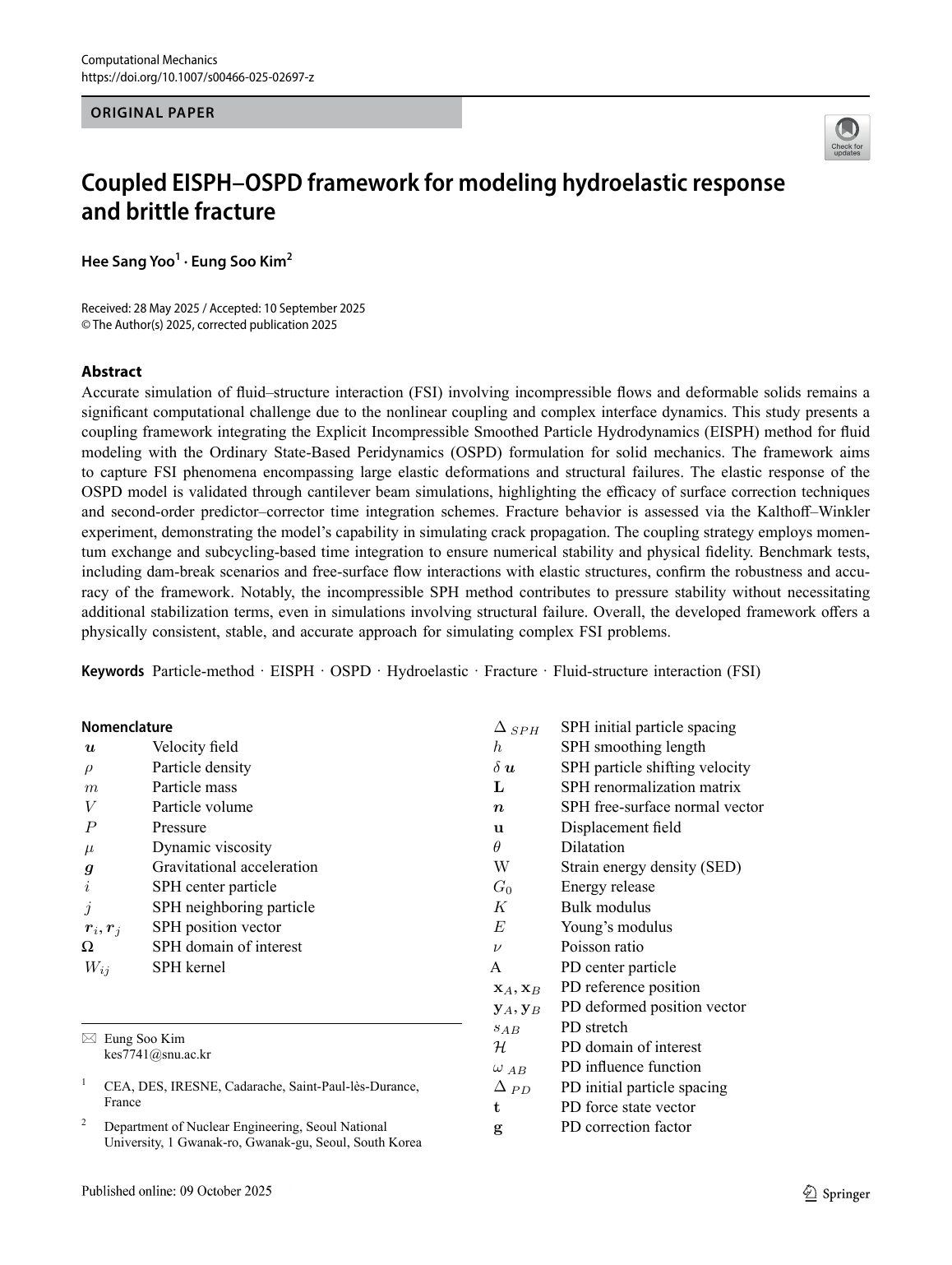
Coupled EISPH–OSPD Framework for Modeling Hydroelastic Response and Brittle Fracture
Computational Mechanics, 77(4), 1025–1059
2025 JCR: Top 8.0% · IF 4.5

Comparative Evaluation of Matrix-Free Implicit Viscosity Solvers for GPU-Accelerated SPH Simulation of Highly Viscous Fluids
Computational Particle Mechanics, 12, 4107–4130
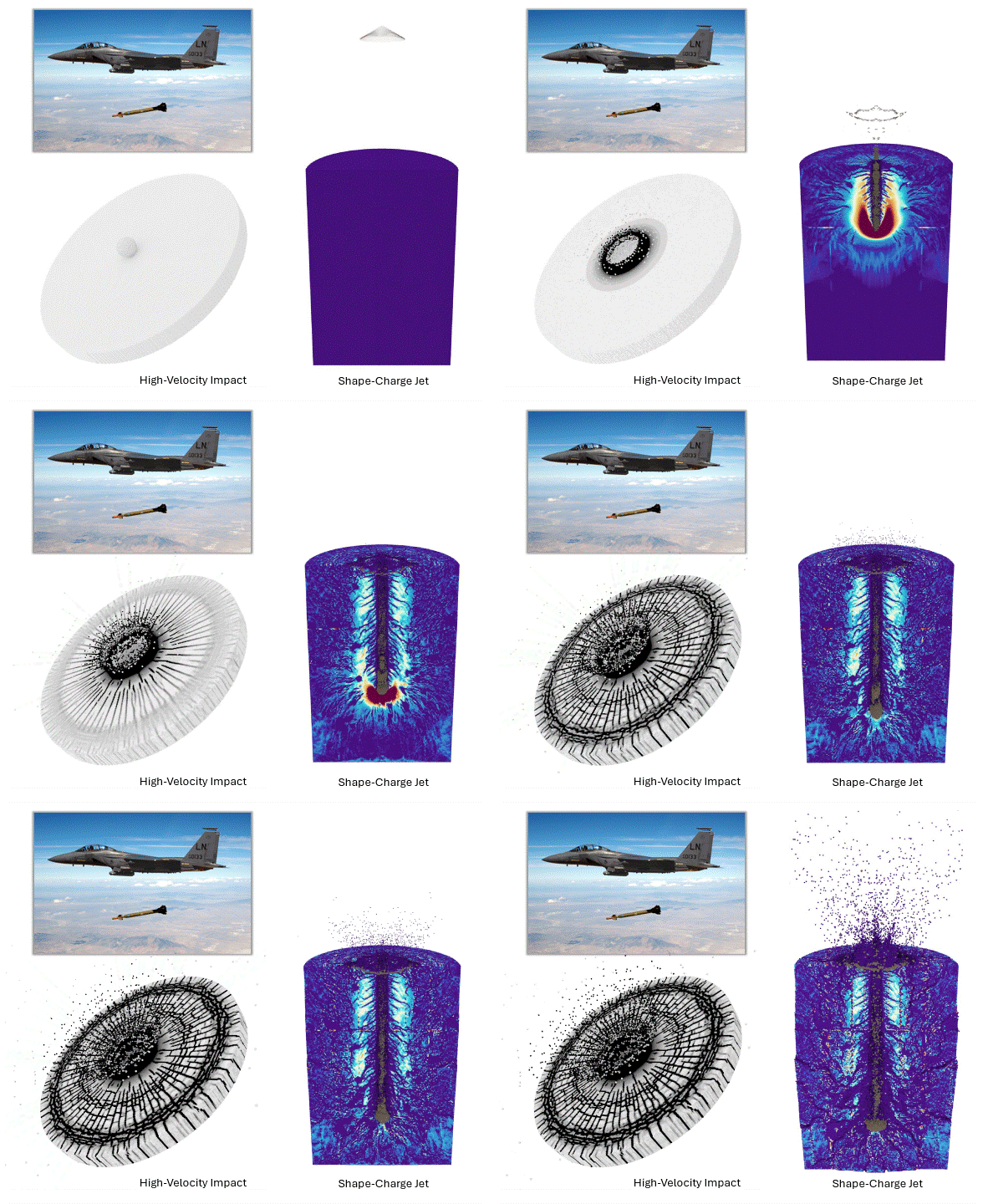
GPU-Parallelized SPH Solver for Accurate Hypervelocity Impact Simulation of Shaped Charge Jet Penetration in Concrete Structures
International Journal of Fracture, 249(3), 52

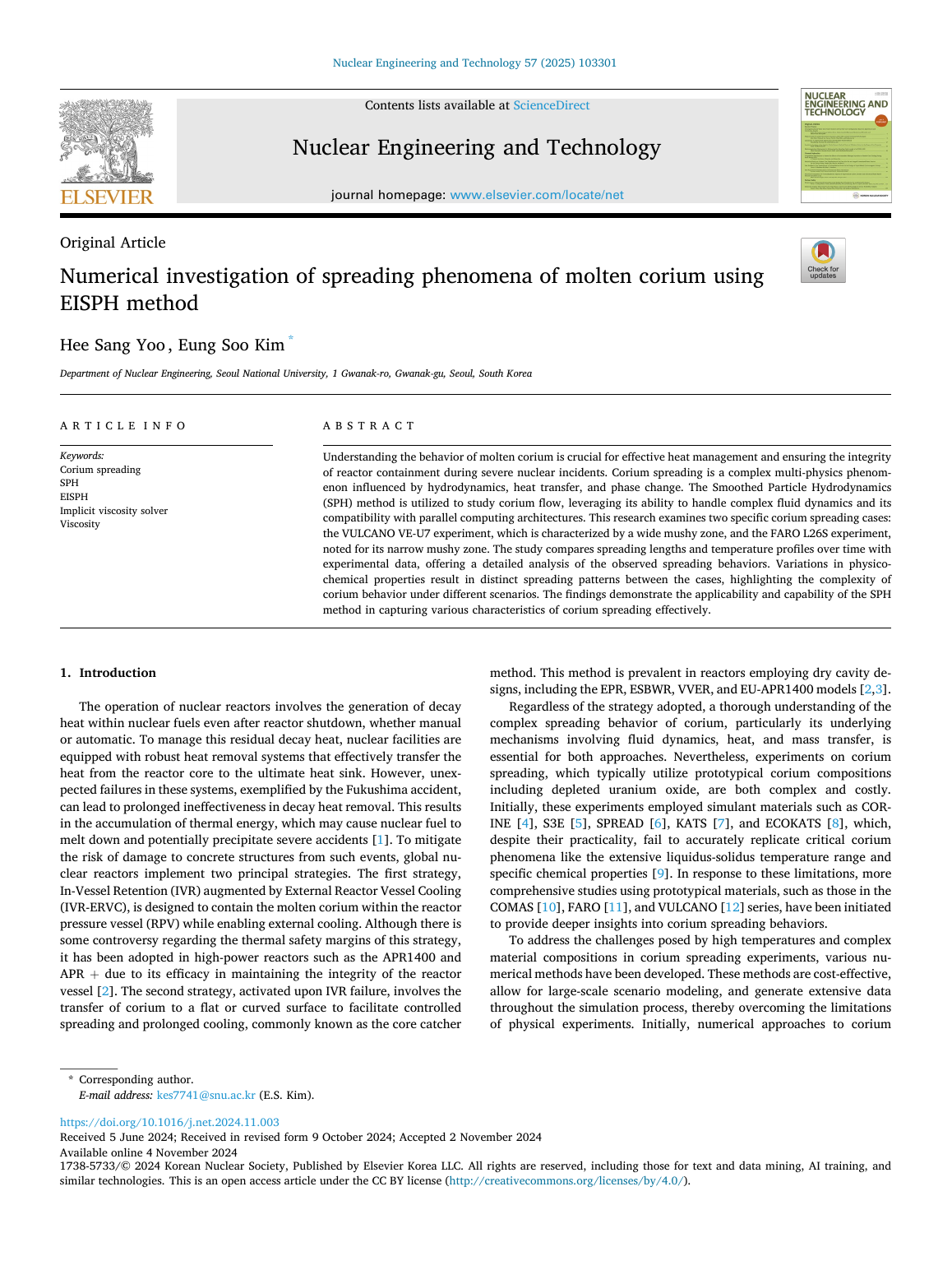
Numerical Investigation of Spreading Phenomena of Molten Corium Using EISPH Method
Nuclear Engineering and Technology, 57(4), 103301

Simulation of Shockwave Propagation Characteristics in Nuclear Reactor Cavity During External Steam Explosion Using Unified SPH
Nuclear Engineering and Technology, 57(4), 103274
Dynamic Load Balancing of Multi-GPU Parallelization for VULCANO VE-U7 Corium Spreading Analysis Using SOPHIA
Nuclear Technology, 211(6), 1316–1336

Comparative Study of WCSPH, EISPH and Explicit Incompressible-Compressible SPH (EICSPH) for Multi-Phase Flow with High Density Difference
Journal of Computational Physics, 112930
2025 JCR: Top 3.3% · IF 3.9

A Simple Eulerian–Lagrangian Weakly Compressible Smoothed Particle Hydrodynamics Method for Fluid Flow and Heat Transfer
International Journal for Numerical Methods in Engineering, 124(4), 928–958 Featured Cover ↗
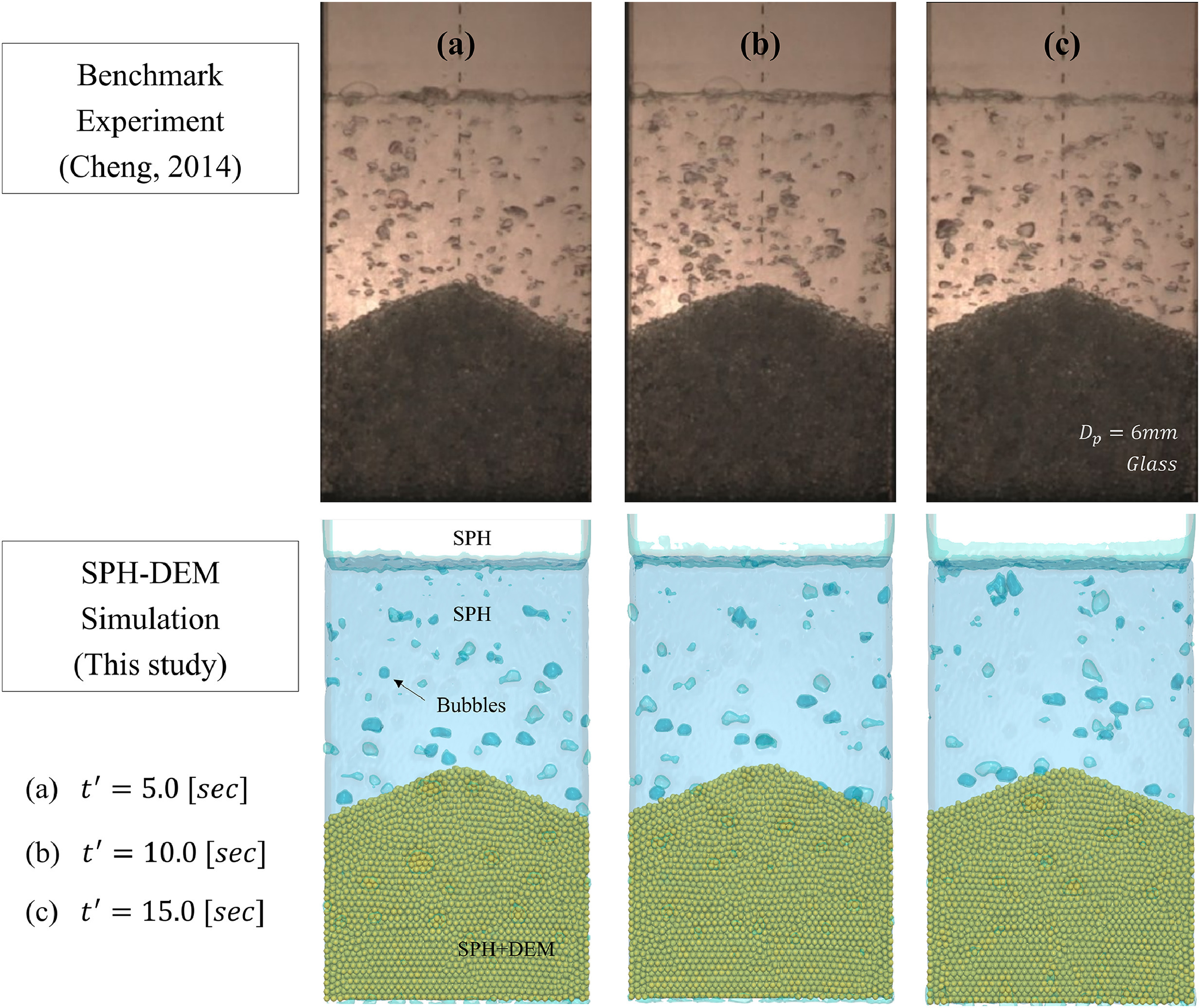
GPU-Based SPH-DEM Method to Examine the Three-Phase Hydrodynamic Interactions Between Multiphase Flow and Solid Particles
International Journal of Multiphase Flow, 153, 104125
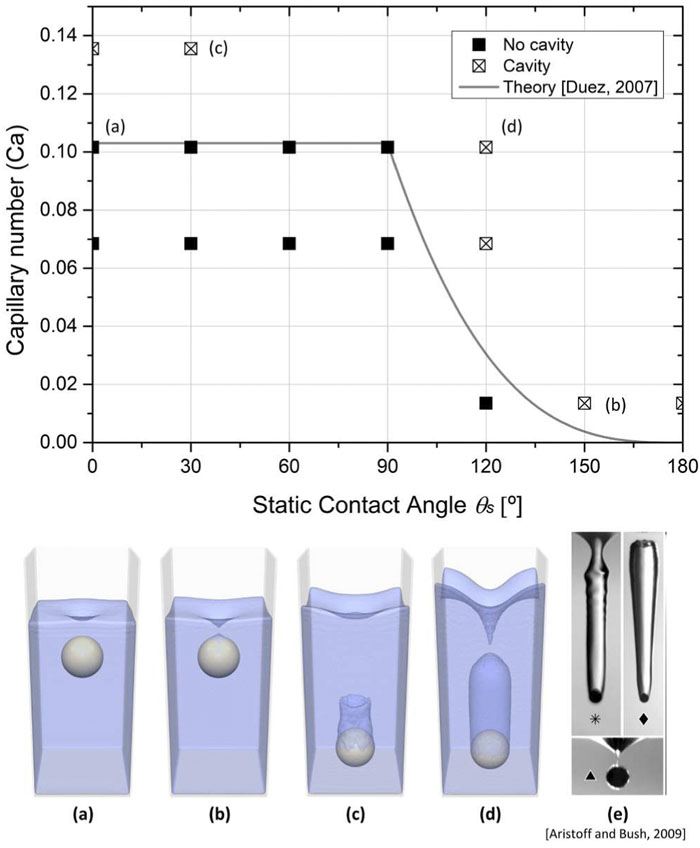
Effect of Wettability on the Water Entry of Spherical Projectiles: Numerical Analysis Using Smoothed Particle Hydrodynamics
AIP Advances, 12(3), 035014
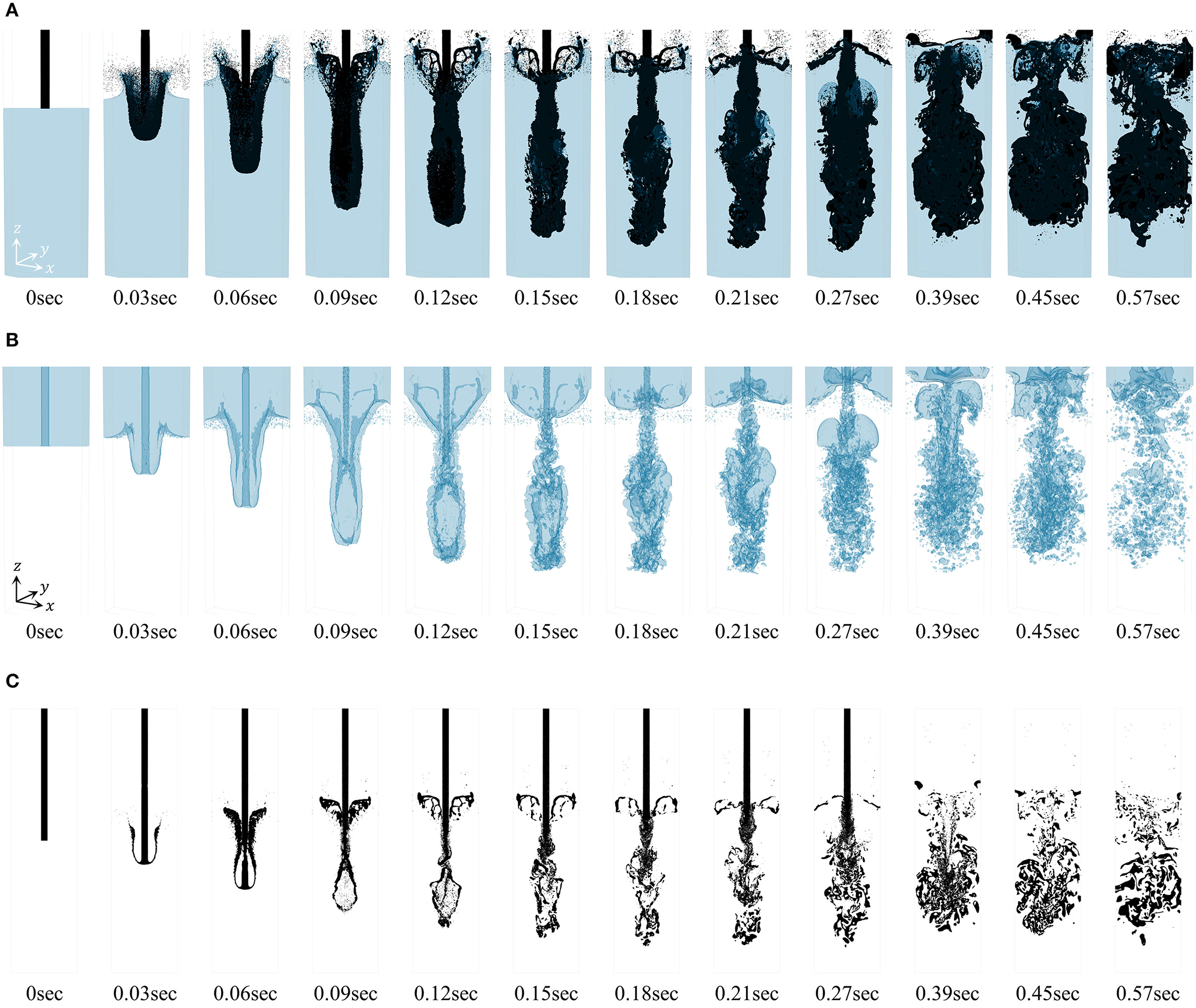
Development of Multi-GPU-Based Smoothed Particle Hydrodynamics Code for Nuclear Thermal Hydraulics and Safety: Potential and Challenges
Frontiers in Energy Research, 8, 86
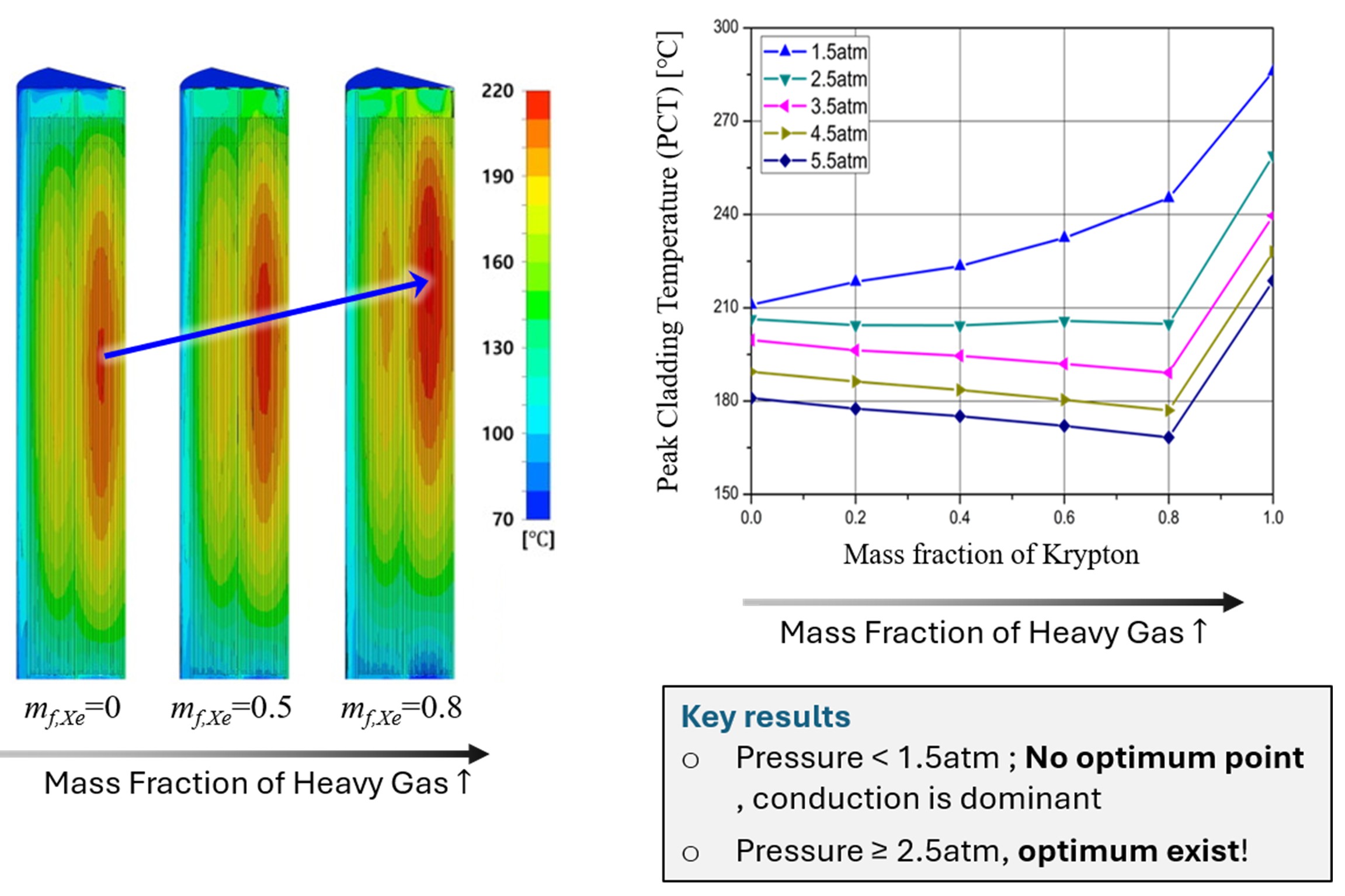
Heat Transfer Enhancement in Dry Cask Storage for Nuclear Spent Fuel Using Additive High Density Inert Gas
Annals of Nuclear Energy, 132, 108–118
Multiphysics Coupling of APOLLO3 and CATHARE3 via the C3PO Platform for Analysis of CABRI Power Transients
A Smoothed Particle Hydrodynamics Model for Safety Assessment of the Ex-vessel Core Catcher under Reactor Vessel Failure
Particle-Based Approaches to Multiphysics Simulation in Nuclear Safety
Numerical Investigation on the Safety Assessment of an Ex-vessel Core Catcher under Large-break Reactor Vessel Failures Using Smoothed Particle Hydrodynamics
GPU-accelerated Explicit Incompressible-Compressible SPH for multi-phase flow with large density difference
Heat Transfer Enhancement of Dry Cask Storage System Using Binary Helium and Heavy Inert Gas Mixture
The Investigation of Flow Characteristics in 3-Pin Wire-Wrapped Fuel Bundle Using Laser-Based Measurement Techniques
Multiphysics Analysis of CABRI Power Transients through APOLLO3®–CATHARE3 Coupling via the C3PO Platform
Numerical Analysis of Melting and Interfacial Flow in a Direct-Contact Latent Heat Storage System Reflecting the Marangoni Effect
Numerical Investigation of Corium Spreading Phenomena using Smoothed Particle Hydrodynamics
Dynamic Modeling for 20 kWe Heat Pipe Fission Battery with Dual Power Conversion System
Dynamic Modeling of Free Piston Stirling Generator for Micro Nuclear Reactors
Development of an Eulerian–Lagrangian Coupling Method Using SPH
Comparative Analysis of Recent Pressure-Noise Reduction Methods for Free-Surface Flow and Fluid–Structure Interaction Using SPH
Numerical Simulation on Spreading and Impact Behavior of a Single Droplet Using Smoothed Particle Hydrodynamics
Thermal Performance Enhancement of Dry Cask Storage System Using Helium-Based Binary Gaseous Mixture
SOPHIA
NEA-1911 · OECD-NEA repository ↗
SOPHIA is a GPU-enabled, particle-based multiphase flow solver built on smoothed particle hydrodynamics (SPH), Lagrangian discretization, and matrix-free iterative solvers. It is designed for high-fidelity thermal-hydraulic analysis of corium spreading, severe accidents, free-surface dynamics, highly viscous multiphase systems, and fluid–structure interaction.
Lecture
Courses offered this semester. Each course has a students-only area that opens when needed.
Join Us
MONAMI Lab welcomes students who want to analyze nuclear systems more accurately and efficiently through computational science. If nuclear thermal hydraulics, multiphysics and multiscale analysis, particle-based numerical methods, GPU parallel computing, or digital twins spark your curiosity, come take on new problems with us.

Experience in numerical analysis, programming, or nuclear engineering helps you get started, but it is not required. We look for students who are genuinely curious about nuclear computational science and simulation and who enjoy working through new problems.
Please fill out the application form below. For other questions, email heesang.yoo@jbnu.ac.kr. Openings depend on timing and lab circumstances.
Apply via Google Form ↗Visit & Contact
Students and researchers interested in MONAMI Lab are always welcome to get in touch.
Jeonbuk National University
567 Baekje-daero, Deokjin-gu, Jeonju 54896, Republic of Korea
전북특별자치도 전주시 덕진구 백제대로 567 전북대학교
Brand assets
Download the logo for posters, slides, and collaborations. Keep clear space around it, and please don’t stretch, recolor, or add effects.